

Using AI to Build a More Personalized Beauty Experience
Artificial intelligence at L’Oréal Groupe is no longer confined to marketing experiments. The company is incorporating it into how customers discover products, try different looks, seek advice and interact with beauty brands. Behind those experiences is a broader effort to connect digital content, consumer information and scientific research.
L’Oréal calls this approach “beauty tech.” The aim, as the company describes it, is to use technology in service of beauty and strengthen relationships between brands and consumers. What makes its strategy noteworthy is not any single application, but the range of experiences it is trying to bring together without losing the human judgment that shapes its brands.
Gabriela Pérez Millón, L’Oréal Groupe Argentina’s Chief Digital & Marketing Officer, describes the philosophy as “Math & Magic.” Math refers to data, mathematics, technology and AI. Magic refers to creativity, storytelling and brand identity.
Are you looking for developers?
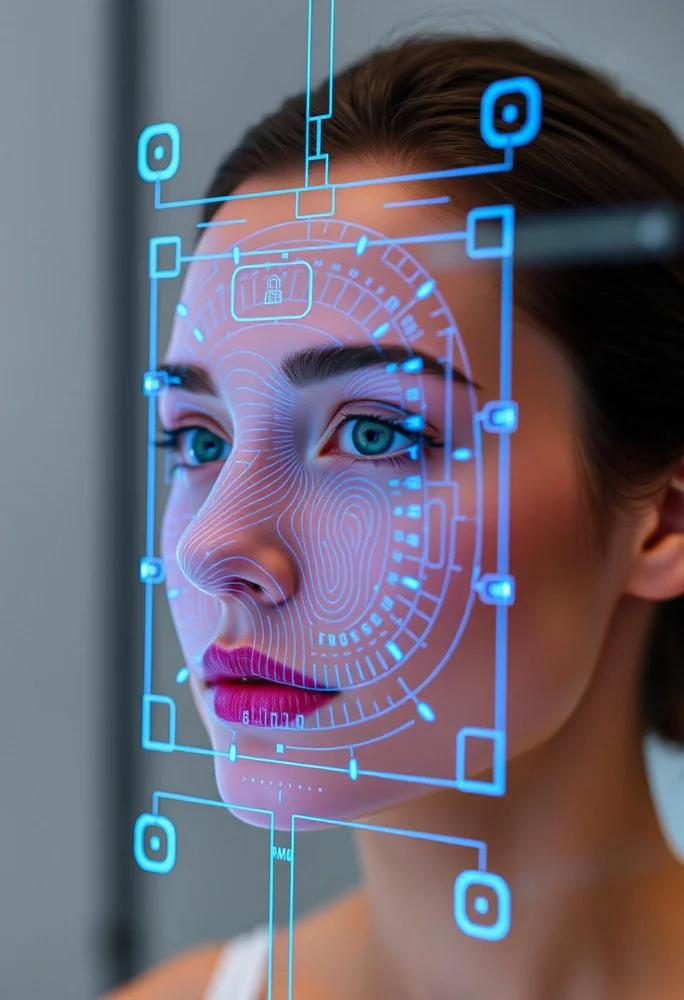
L’Oréal’s internal generative AI laboratory, CreAItech, supports tasks including packaging environments, storyboards, agency briefs and social media content. These uses put AI inside the creative production process rather than treating it as an independent replacement for that process.
Another internal tool, BETiq, is designed to measure both short-term return on investment and longer-term brand value. Together, the tools show how L’Oréal is looking at content production and marketing effectiveness as connected, but distinct, challenges.
The consumer-facing examples make the strategy easier to see. L’Oréal Paris offers Beauty Genius, an AI-powered personal assistant accessible through WhatsApp. Lancôme’s Skin Screen uses predictive AI to illustrate how skin may evolve with a treatment, rather than providing a medical diagnosis or guaranteeing an outcome.
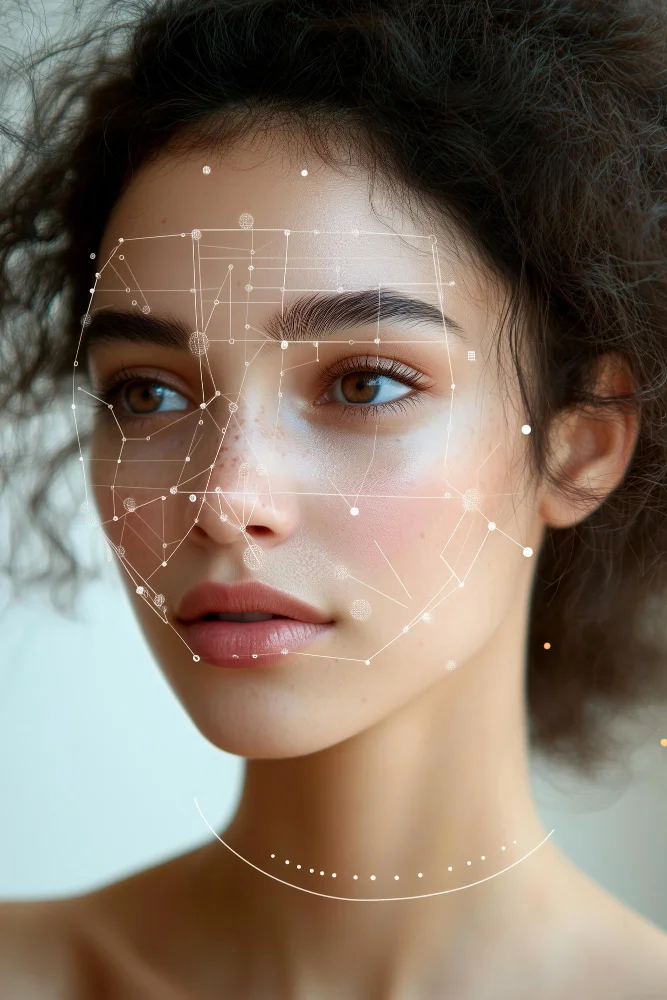
ModiFace adds a visual dimension. Its virtual try-on technology uses 65 facial points to let consumers explore makeup and hair-color options before making a purchase decision.
These services serve different purposes, yet they share an underlying requirement: the information presented must be relevant, understandable and connected to the product experience. A conversational assistant, a predictive illustration and a virtual try-on should not be evaluated as though they perform the same task.
L’Oréal is also developing what it calls “beautytainment,” connecting brands with streaming platforms, gaming and social media. Its gamified Lorealistar platform supports creator management and investment using information from TikTok, YouTube and Instagram. That adds another link between how people encounter beauty content and how brands plan their relationships with creators.
Are you looking for developers?
can influence how someone perceives their appearance and what results they expect from a product.
L’Oréal says it does not use AI to generate people, skin or hair to depict product results. Its stated responsible AI principles also emphasize human oversight, inclusion across skin tones, privacy and transparency.
Those commitments are company-stated practices, not independently verified guarantees. Still, they define useful boundaries for a business where realism and consumer trust matter. CreAItech also displays an estimate of carbon emissions associated with each generated image, bringing an environmental consideration into the content workflow.
At VivaTech 2026, L’Oréal announced a collaboration with OpenAI covering several initiatives. These include bringing Maybelline New York’s ModiFace virtual try-on technology into ChatGPT, improving product discovery for Lancôme and Kérastase in the United States, and testing AI-native advertising with CeraVe, SkinCeuticals and Garnier.
L’Oréal is also using GPT-Rosalind to map the skin microbiome and support dermatological research, initially involving La Roche-Posay. Its wider technology portfolio extends into physical products, including Water Saver and Lancôme HAPTA, illustrating how its approach reaches beyond software interfaces.
Are you looking for developers?
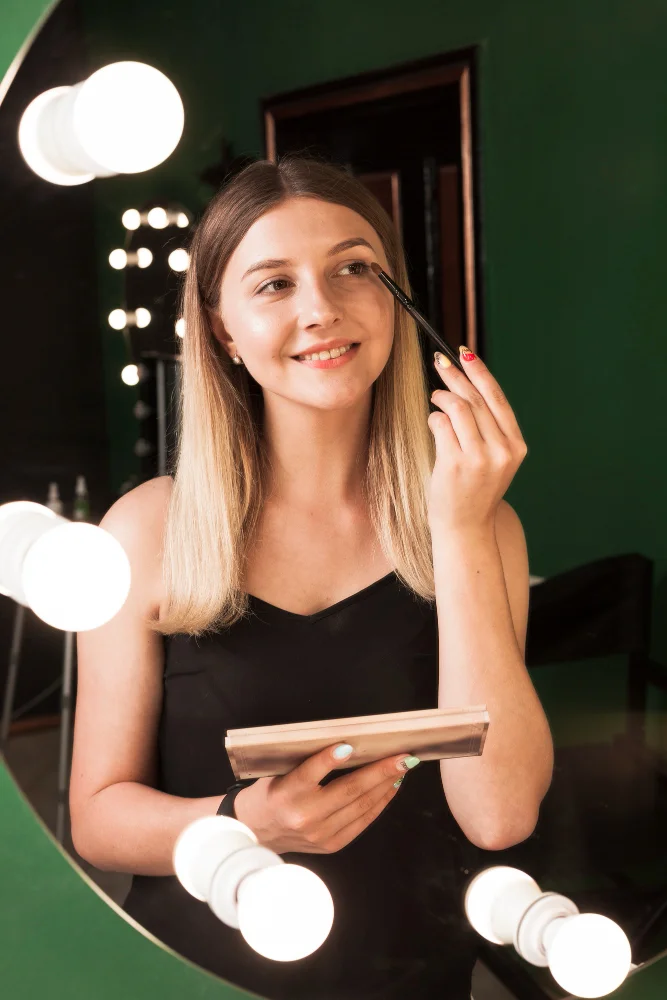
Bringing these initiatives together demands more than a capable AI model. Product information, customer-facing interfaces, marketing tools and research workflows each have different requirements. Reliable data, backend services, APIs and testing become important when an organization wants these experiences to work consistently across channels.
That broader challenge is relevant to companies outside beauty. Square Codex, a Costa Rica-based nearshore software development partner serving North American companies, can support organizations building connected digital products through custom applications, backend and API integration, data pipelines, cloud engineering, AI integration and QA automation. Its role is to provide engineering capacity, not to develop L’Oréal’s technology or make claims about cosmetic outcomes.
L’Oréal’s approach suggests that useful AI emerges where technical systems and human choices reinforce one another. The lasting test is whether connected experiences remain accurate, inclusive, transparent and worth returning to.