

Data, AI, and Computer Vision
Smarter Stores Through Data, AI, and Computer Vision
Computer vision is beginning to change how physical stores understand what is happening across their aisles. For years, retail operations were measured through data that arrived after the fact: checkout reports, manual counts, inventory audits, supervisor visits, and occasional shelf reviews. That model still has value, but it is no longer enough when stores need to respond almost in real time. Today, smart cameras, sensors, machine learning models, and analytics platforms are turning the physical store into a continuous source of operational intelligence.
The interesting part is not simply that a camera can detect an empty shelf. The real shift is what happens after that signal is captured. That information can trigger a replenishment alert, feed a predictive model, compare actual shelf conditions against the planogram, identify execution issues, or help teams understand how demand changes throughout the day. Computer vision stops being an isolated automation tool and becomes an intelligence layer that connects store operations, inventory, data, and decision-making.
In digital commerce, every click leaves a trail. Companies know which products were viewed, what was added to the cart, where customers dropped off, and which promotions worked. In the physical store, visibility has always been more limited. Retailers had sales data, but less clarity on what happened before the transaction: misplaced products, empty shelves, customers struggling to find items, poorly executed promotions, or low-performing sections.
Are you looking for developers?
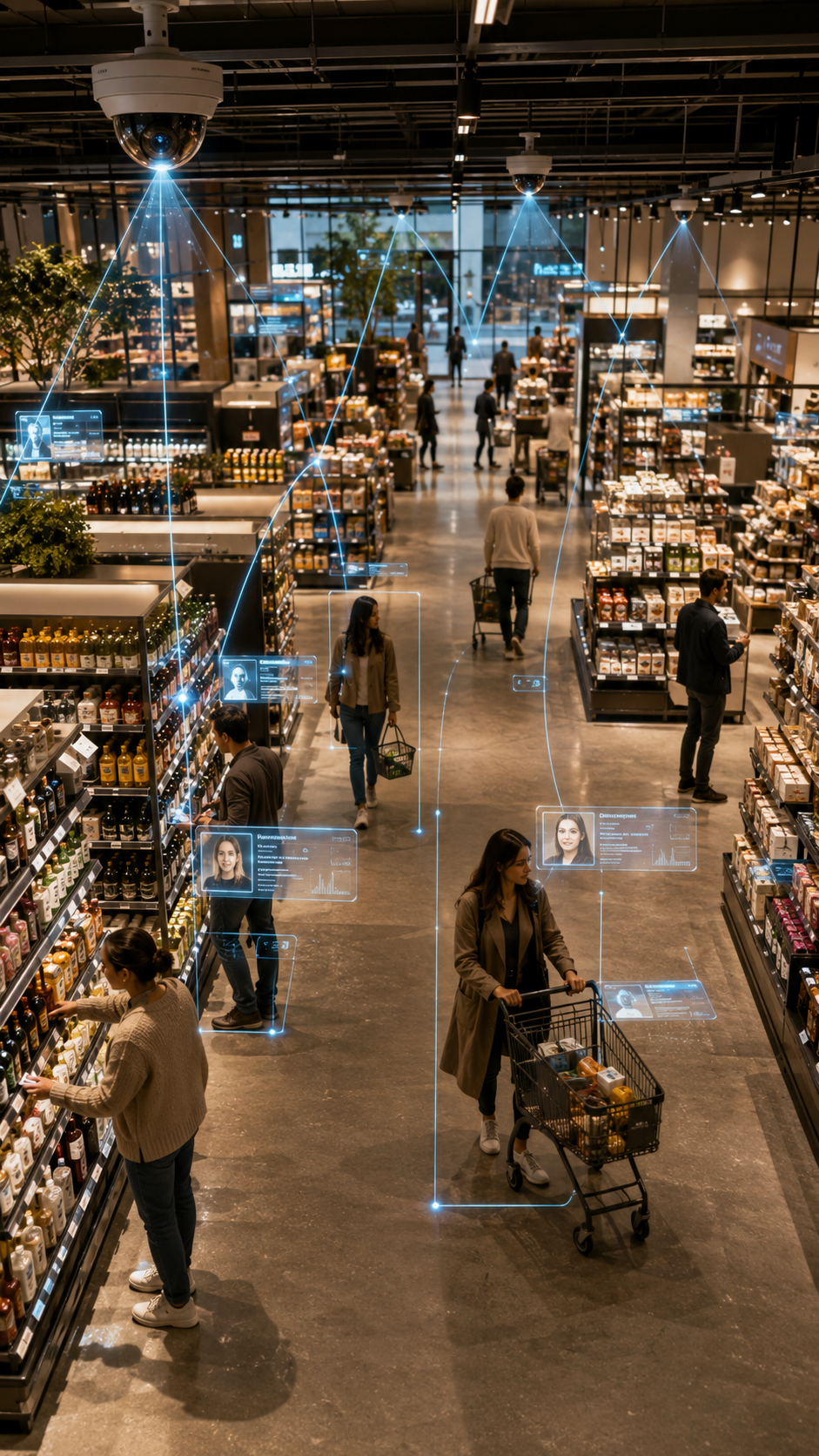
Computer vision helps close that gap. By combining cameras with recognition models, stores can turn physical scenes into structured data. This makes it possible to detect stock gaps, measure shelf availability, identify display issues, and understand store activity without relying only on manual walkthroughs. For Data Science and Analytics teams, this is a meaningful shift because it creates a new source of signals that was previously difficult to capture consistently.
Square Codex fits naturally into this conversation because many companies do not lack ambition. They lack technical execution capacity. Square Codex is a Costa Rican company that provides nearshore staff augmentation teams for North American organizations. In retail analytics initiatives, its teams can support the development of pipelines, analytical models, and platforms that turn data from cameras, sensors, and internal systems into information that store teams can actually use.
Shelf monitoring is often the most visible use case. If a product is missing, misplaced, or out of compliance with a planogram, the store can respond faster. But reducing computer vision to shelf gap detection misses the larger opportunity. The real value appears when visual data connects with inventory, sales, historical demand, promotions, logistics, and store behavior.
An empty shelf can mean several things. It may reflect unexpected demand, a replenishment issue, a backroom process failure, a mismatch between system inventory and reality, or a promotion that performed better than expected. Computer vision detects the symptom, but Data Science and Analytics helps interpret the cause. When visual signals are combined with operational data, teams can move from reacting to understanding patterns.
Are you looking for developers?
This is where machine learning becomes valuable in retail. Models can identify anomalies, anticipate stockouts, suggest replenishment adjustments, or detect behaviors that may not be obvious to store teams. The purpose is not to replace employees. It is to give them better signals. In physical retail, timing matters. A useful alert in the morning can prevent missed sales throughout the day.
Computer vision does not solve data problems on its own. If the product catalog is messy, SKUs change without control, inventory systems are not synchronized, or planogram rules are outdated, the model works on a fragile foundation. Artificial intelligence can detect patterns, but it needs reliable information for those patterns to mean something.
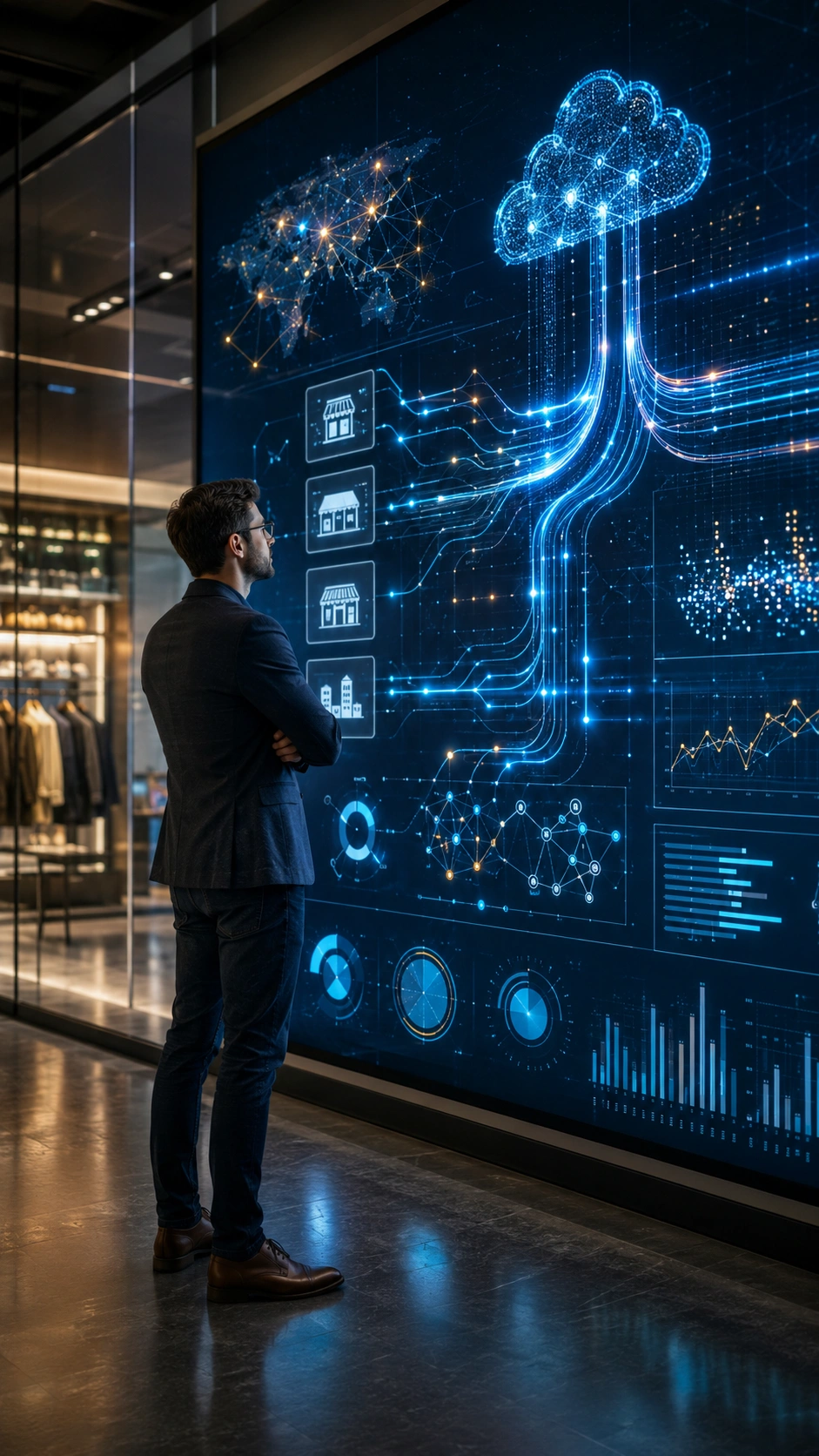
That is why Data Engineering is central. Before predictive models or intelligent automation can create value, companies need consistent data flows. Images must be processed, events must be classified, outputs must connect to inventory systems, and alerts must reach the right teams. Square Codex supports this technical layer through teams specialized in Data Engineering, backend systems, and cloud infrastructure, helping retailers integrate physical and digital data sources into a more dependable architecture.
The challenge also includes governance. Retailers need clear rules about what is captured, how information is processed, what is anonymized, and who can access the data. Trust is not built through technical accuracy alone. It also depends on responsible design and transparent processes.
Are you looking for developers?

Square Codex can support these initiatives by embedding nearshore talent specialized in cloud, data, and machine learning into internal client teams. This staff augmentation model helps companies accelerate projects without requiring them to build every capability permanently from day one.
Computer vision also accelerates a broader trend: physical stores are beginning to operate with the same analytical discipline as e-commerce. That does not mean making every experience automated. It means understanding what is happening more clearly and acting with greater precision. A store can feel more human when teams spend less time on repetitive manual checks and more time serving customers with better information.
This convergence requires connected platforms. Store inventory must communicate with e-commerce, fulfillment, promotions, CRM, and demand planning. Computer vision produces valuable signals, but those signals need to flow into business systems. Square Codex helps companies in this type of work by building analytics platforms, machine learning workflows, and cloud infrastructure that keep data from becoming trapped inside isolated tools.
Computer vision is transforming retail beyond automation because it allows companies to see the store as a living system. It is not only about reducing manual tasks. It is about improving visibility, anticipating issues, understanding patterns, and making better decisions faster. Value appears when cameras, sensors, data, models, and enterprise systems work together.
To get there, companies need more than visual technology. They need Data Science and Analytics, Data Engineering, Machine Learning, cloud infrastructure, and technical talent capable of bringing these ideas into production. Square Codex offers a practical way to add that capacity through specialized nearshore teams, helping organizations convert operational data into real decisions. In the next phase of retail, the advantage will not belong only to those who collect more information. It will belong to those who can integrate, interpret, and execute with precision.