
Why China is wiring plants with AI and edge computing?
China has moved manufacturing back to the center of its economic strategy with a clear goal: shift from a model driven by labor costs to one defined by software, data, and advanced technology. The roadmap combines capital for semiconductors, next-generation automation, and analytics platforms that link plants, suppliers, and logistics networks. It is not a cosmetic adjustment. It responds to tougher external conditions in trade and technology, a slower growth rhythm, and the urgency to capture value where competitiveness is now decided, from operational design and quality control to energy efficiency and supply chain resilience.
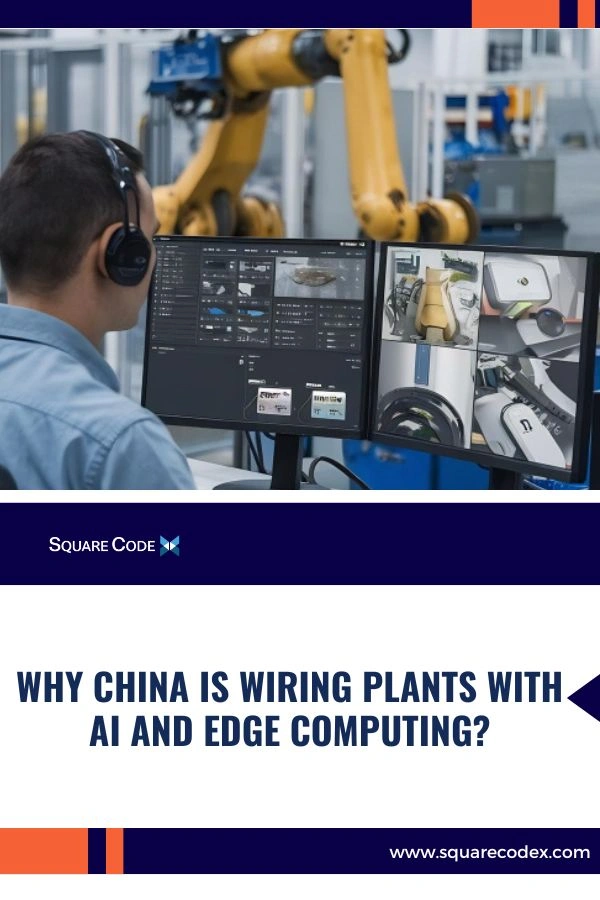
Macroeconomic pressures demand speed. Global demand is more uncertain, export rules for technology have tightened, and financing favors projects with clear returns. In this context, producing more is no longer enough. The focus shifts to producing better, with less waste, lower resource consumption, and shorter cycle times. The priority technologies target precisely those outcomes. Computer vision systems spot faults in real time, digital twins simulate changes without stopping operations, dynamic planning recalculates capacity as orders fluctuate, and sensors turn legacy machinery into continuous data sources.
Are you looking for developers?
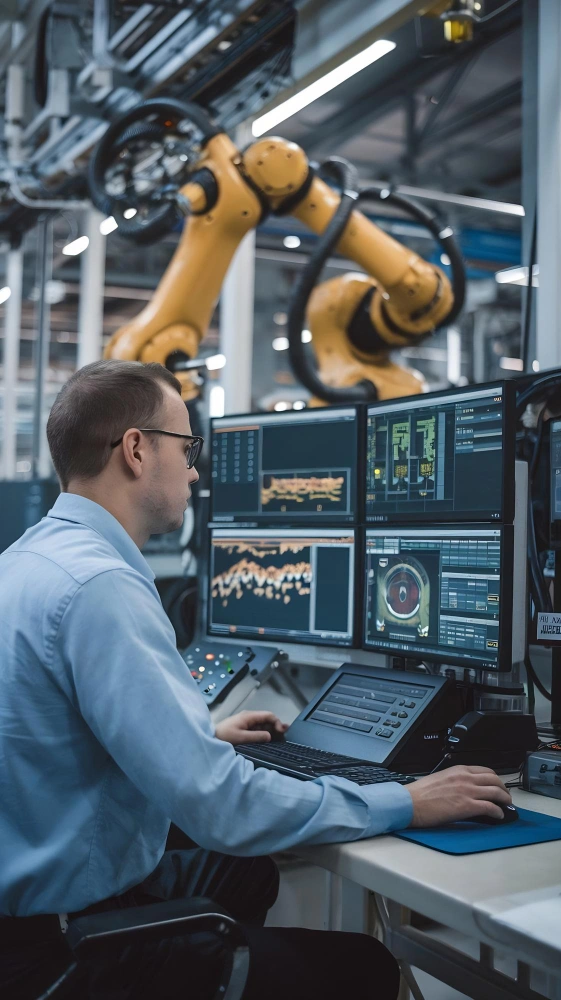
Artificial intelligence adds precision where judgment and experience used to dominate. On production lines, models detect deviations that are invisible to the human eye and cut rework. In logistics, algorithms optimize routes and loading sequences to reduce time and fuel. In procurement, analytics tools help balance price, quality, and reliability. All of this depends on solid data foundations. That is why there is a push for platforms that unify formats, guarantee lineage, and make it possible to audit every decision from its source to the executive dashboard.
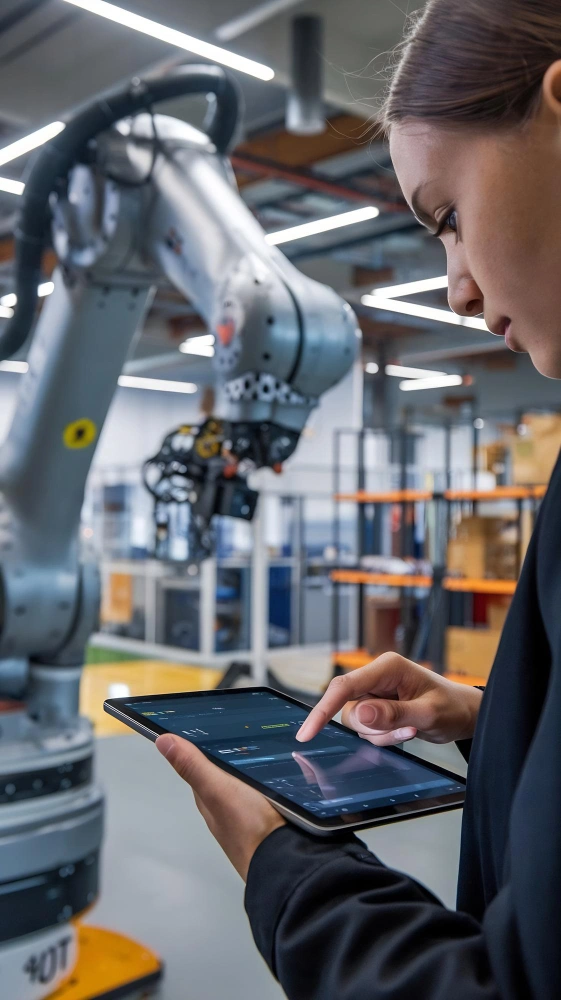
For organizations, the challenge goes beyond technology. Bringing AI into the operation means redefining roles and routines. A maintenance team needs to fold predictive alerts into its daily plan, and quality teams must translate system signals into documented accept or reject decisions. Governance becomes critical. Who trains the models, who validates them, which thresholds trigger action, and how errors are corrected. These definitions determine whether AI lifts performance or becomes another source of friction.
China’s industrial scale is an advantage, but it brings complexity. It allows fast pilots that can expand to hundreds of plants, yet it must accommodate a wide variety of equipment, inherited technologies, and maturity levels. Interoperability is no longer optional. Open standards, stable interfaces, and architectures that separate data from applications are essential to scale without rebuilding each initiative.
Are you looking for developers?
The pivot also rests on infrastructure. There is a push for data centers near industrial hubs, low-latency networks, and compute capacity that supports both centralized training and edge inference. This mix addresses different needs. Some tasks must be solved in milliseconds and cannot depend on the cloud, while others require concentrated power for simulations and model updates. Designing that coexistence coherently is now part of modern industrial engineering.
Comparisons with other economies reveal shared hurdles. Integrating older equipment, ensuring security, justifying investments with clear metrics, and attracting talent that connects operational technology with information systems. The difference often lies in execution. Firms that document standards, version their data, and automate tests advance more steadily. Those that accumulate isolated solutions end up with silos that block any cross-plant improvement.
One lesson is already clear. Industrial AI works best when it is managed as a system rather than a string of projects. Catalogs of use cases, shared model repositories, clear access rules, and common metrics across operations, finance, and IT. Under that framework, benefits repeat over time and teams trust automated decisions because they understand their scope and limits. Without that base, pilots multiply without lasting impact.
Are you looking for developers?
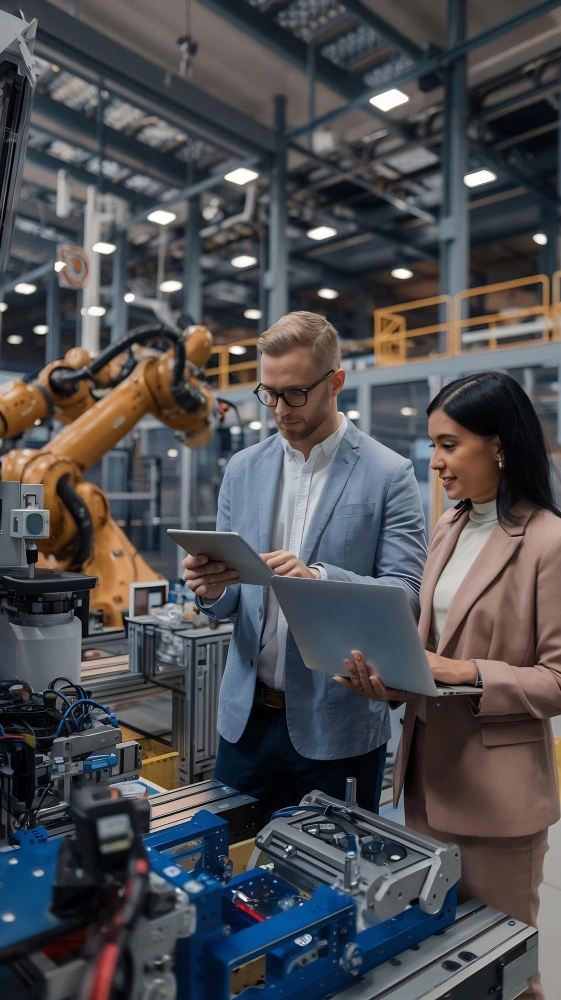
In practice, many companies need support to reach that level. Square Codex operates in that space. From Costa Rica, the firm works with data, software, and artificial intelligence through a nearshore staff augmentation model that embeds teams directly inside North American organizations. The focus is execution. Turning strategic objectives into governed data flows, building observable pipelines, defining quality criteria, and connecting models to systems already running on the plant floor or in the cloud. By working in the same time zone and inside the client’s toolchain, teams narrow the distance between pilot and production.
That approach is crucial when operational decisions must be balanced with security and compliance requirements. Square Codex brings in software engineers, data specialists, and AI professionals who join existing squads for specific stages, from edge integrations to deployments in hybrid environments. The objective is concrete. Ensure trustworthy data, prevent operational bias in models, keep compute costs under control, and verify availability and accuracy with the same rigor applied to any industrial KPI.
China’s push toward smart manufacturing reflects a broader global trend. Artificial intelligence is not an accessory or a quick fix. It is a layer that reshapes daily decisions and demands modern infrastructure, specialized talent, and disciplined change management. The organizations and countries that align those pieces as quickly as they invest in technology will be the ones that turn innovation into sustained productivity. The rest will keep piling up initiatives with little real impact. The difference will be execution with consistency and the ability to learn in every improvement cycle.