

AI Integration Services for Connected Products and Intelligent Digital Experiences
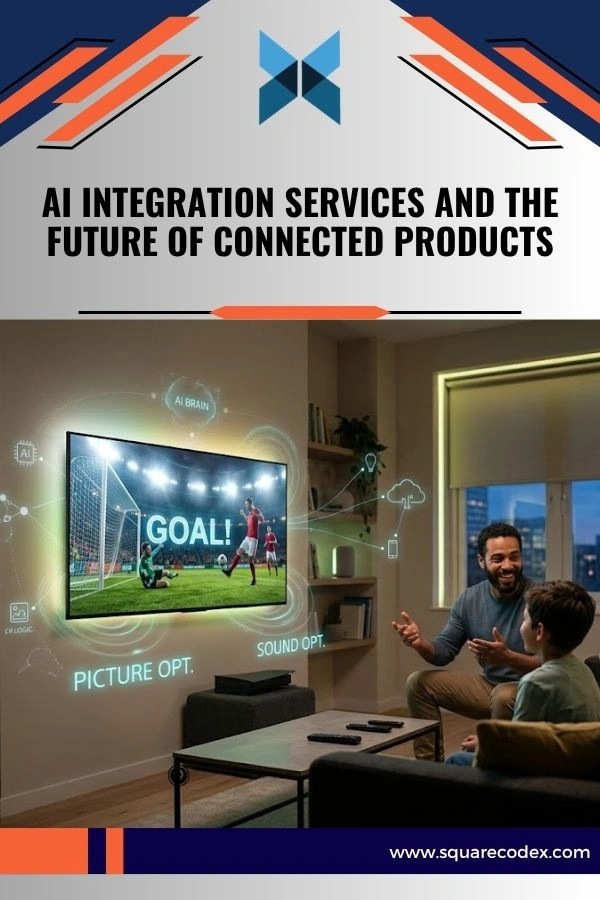
Samsung’s use of artificial intelligence to improve how people watch football on its TVs is a useful signal of where digital experiences are heading. The visible part is easy to understand: the screen adjusts picture and sound automatically, the system can help with translation, and connected devices can work together to make the match feel more immersive at home. But the more interesting story is not the TV feature itself. It is the shift from isolated smart functions to connected experiences where software, data, interfaces, and devices work as one system.
For years, companies treated AI as something added on top of a product. A button, a recommendation, a voice command, a setting buried somewhere in the menu. That is changing. AI is becoming part of the whole experience, quietly interpreting context and reducing the amount of effort required from the user. Watching a football match is a good example because the viewer does not want to configure every detail. They want the image to be clear, the movement to feel smooth, the commentary to be understandable, and the room to respond naturally if other devices are connected.
This is where AI Integration Services become more important than the feature name. A smart experience is rarely powered by one model or one interface. It requires several systems to cooperate: the device operating system, audio processing, image analysis, language services, user preferences, account data, connected home platforms, and sometimes cloud services. Square Codex, a Costa Rican nearshore staff augmentation company that helps North American businesses scale technical teams, often works in this kind of space, where the challenge is not simply building a feature, but connecting systems so that the feature feels natural.
Are you looking for developers?
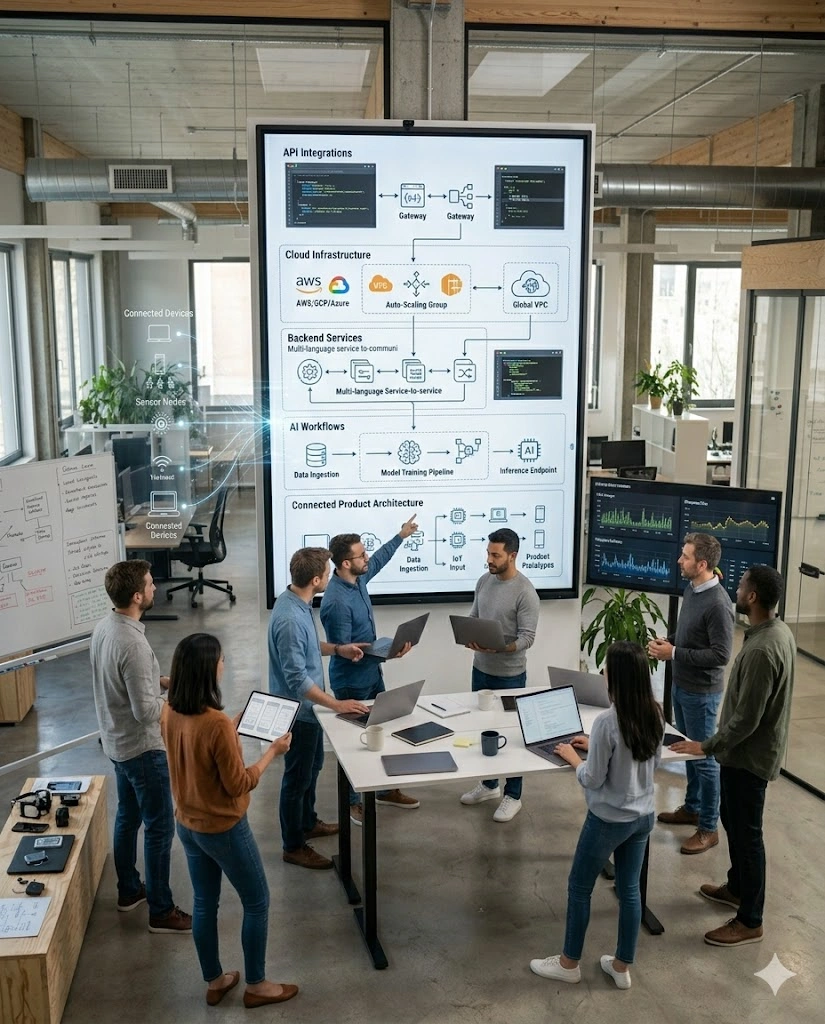
The best AI experiences usually disappear into the product. When the picture adjusts to the speed of the match, the user does not think about real-time processing. When subtitles are translated automatically, they do not think about language models, latency, or synchronization. When a connected soundbar, lighting system, or mobile device reacts smoothly, they do not think about APIs. But those invisible layers are exactly what determine whether the experience feels premium or frustrating.
This is why backend engineering matters so much in modern product design. The interface may be the part people touch, but the backend decides what the product knows, how fast it responds, and how reliably it connects with other systems. In a connected entertainment environment, the backend might manage preferences, sync devices, process events, handle authentication, and route requests between local and cloud services. If that foundation is weak, even a beautiful interface starts to feel unreliable.
AI also changes how UI/UX and Product Design teams think. The goal is no longer only to design screens that are easy to navigate. The goal is to design experiences that understand context without making users feel watched, assisted without becoming intrusive, and personalized without feeling complicated. In the case of watching football, that might mean offering control over commentary, crowd noise, language, brightness, or connected devices without forcing the viewer through ten settings. Good product design gives users confidence. Good AI integration removes friction without taking away control.
Are you looking for developers?
Square Codex supports this type of work by helping companies combine product design, backend engineering, and AI Integration Services into one execution path. A company might have a strong idea for a connected experience, but still need the engineering capacity to connect APIs, modernize backend services, build data flows, and test performance under real usage. Through nearshore staff augmentation, Square Codex can add specialized engineers who work directly with internal teams, helping them move faster without separating strategy from implementation.
Data is another part of the experience that users rarely see. A system that adjusts sound or picture in real time depends on signals: what content is playing, what environment the device is in, what user preferences exist, and how the system performed in previous interactions. Data Science and Analytics help companies understand which features improve satisfaction, which settings users override, where performance drops, and how personalization can be improved without making the product feel heavy. In modern experiences, analytics is not just reporting. It becomes feedback for better product decisions.
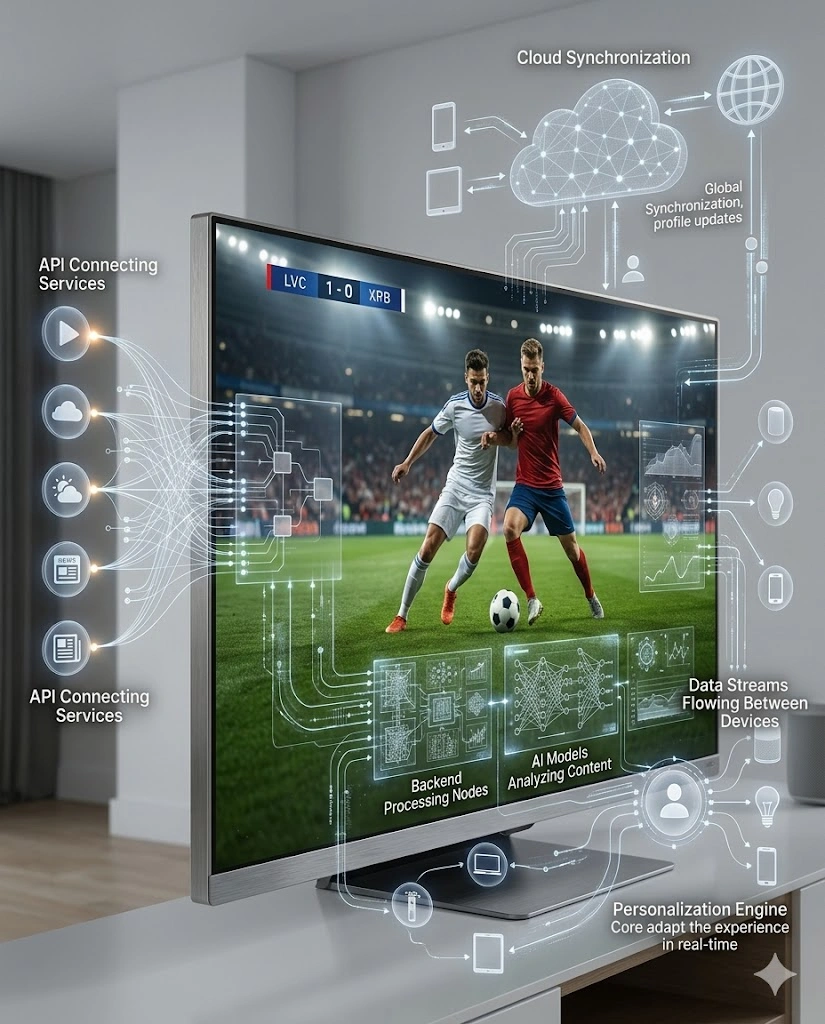
Cloud infrastructure and DevOps also play a quiet but essential role. Not every AI task needs the cloud, and not every experience should depend on a remote service. Still, connected ecosystems often need cloud support for account services, updates, personalization, device coordination, and analytics. DevOps and Cloud Engineering make these systems scalable and stable. They help teams release improvements safely, monitor failures, control costs, and keep experiences consistent across regions and device models.
Are you looking for developers?
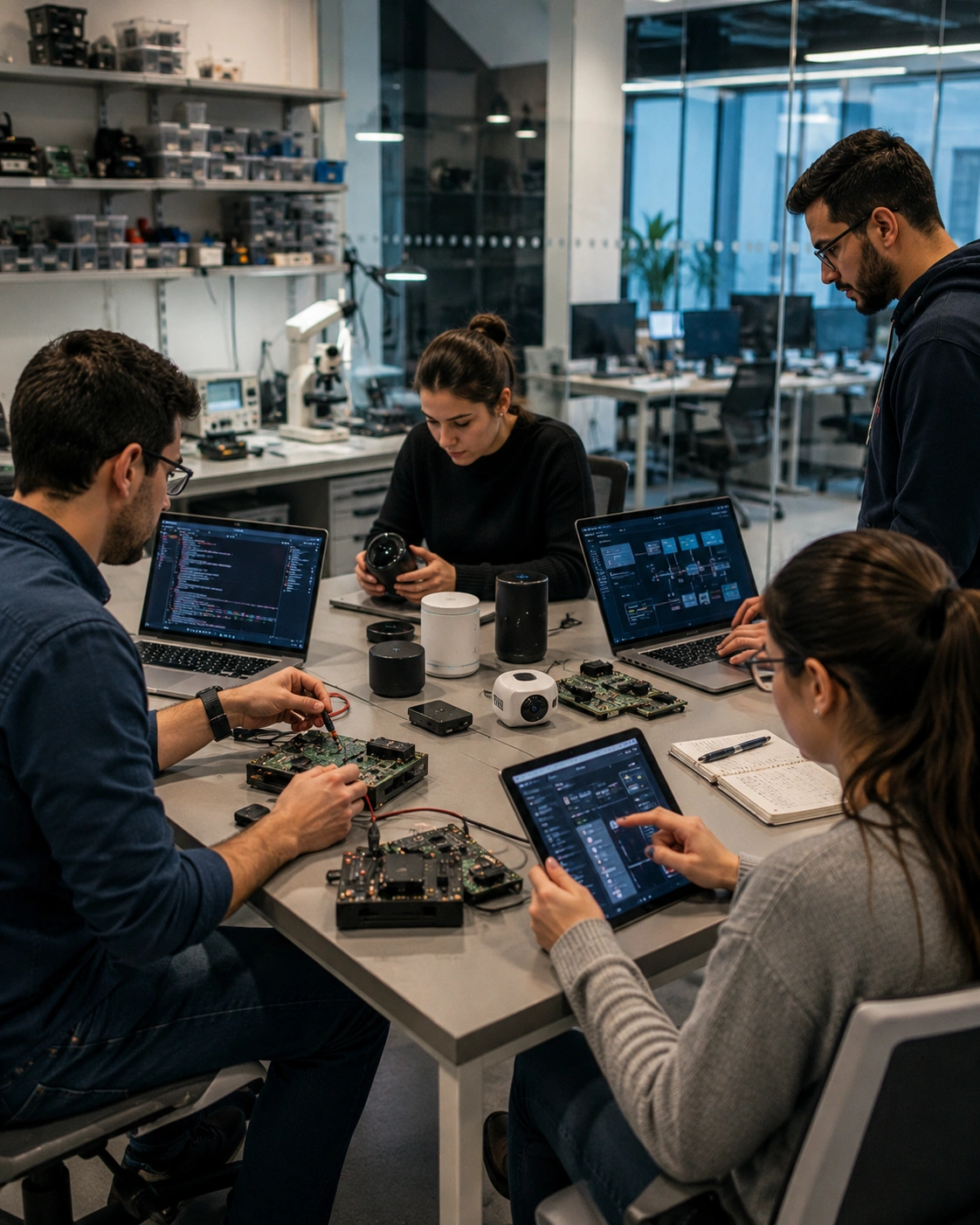
The larger lesson goes far beyond televisions. Retail apps, streaming platforms, financial tools, healthcare portals, smart homes, and enterprise software are moving in the same direction. Users expect systems to understand context, remember preferences, reduce manual steps, and work across devices. That expectation creates a new engineering challenge. The product is no longer one interface. It is an ecosystem of services that must communicate clearly and respond in real time.
Square Codex is relevant in that shift because many companies do not lack ideas. They lack the specialized technical capacity to execute them. Building intelligent digital experiences requires backend engineers, integration specialists, product-minded developers, cloud engineers, and teams that understand how to connect AI with real business systems. As a nearshore partner from Costa Rica, Square Codex helps North American companies strengthen those teams through staff augmentation, allowing them to build modern experiences without overloading internal resources.
Samsung’s football viewing features are a reminder that AI is most valuable when it feels useful rather than visible. The interface may be what people notice first, but the real work happens behind the screen: APIs, backend systems, data pipelines, cloud services, UX decisions, and integration logic. Companies that want to create smarter digital experiences need more than AI tools. They need an engineering ecosystem capable of making those tools work together. That is where specialized teams, like the ones Square Codex provides, become part of the foundation for the next generation of connected products.