

Tools Improve Margins by Reducing Rework
In industries like construction and landscaping, where every decision has a direct impact on cost, timelines, and margins, accuracy is not a nice to have. It is a requirement. For years, one of the most sensitive stages has been estimation. Measuring plans, calculating materials, and forecasting costs has depended heavily on manual work, experience, and constant review. That picture is starting to change as platforms bring artificial intelligence into day to day workflows in a practical way.
The recent evolution of specialized tools for estimators points to a deeper shift across the industry. This is no longer just about digitizing what already exists. It is about rethinking how estimation is done so it becomes faster, more consistent, and less exposed to avoidable mistakes. In that context, modern estimating platforms are achieving something that matters more than flashy features: they reduce friction between measuring, calculating, and making decisions. What used to require multiple steps, manual validation, and jumping across tools can now happen inside a single environment.
One of the most meaningful changes is how AI helps simplify tasks that have always been repetitive and error prone. The takeoff process, where quantities and materials are derived from plans, is a clear example. Automating a large portion of that work does more than save time. It reduces the risk of errors that later turn into change orders, unexpected costs, or margin erosion. When a company can trust that its quantities are more accurate from the start, it becomes easier to price competitively, respond faster, and protect profitability.
Are you looking for developers?
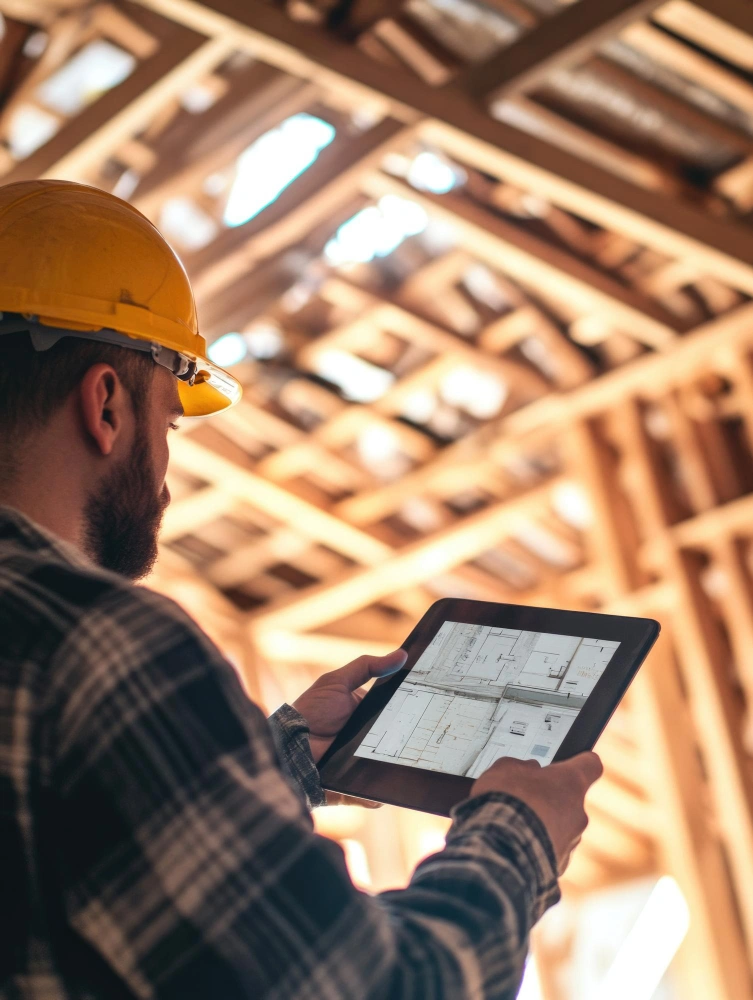
But the real value is not automation by itself. It is the way these tools connect the stages of the process. Moving from measurement to a final estimate without rebuilding the same information or re entering data removes a large amount of invisible work. That matters because estimation rarely fails in one big dramatic way. It usually fails through small mismatches: a missed measurement, a copied number that was never updated, a version of a plan that did not make it into the final file. A connected workflow reduces those handoffs and makes it easier to keep everyone working from the same source of truth.
It also creates a healthier balance between speed and control. The best implementations do not try to replace the estimator’s judgment. They give the estimator better leverage. AI can do the heavy lifting on repetitive steps, while the professional focuses on validating assumptions, reviewing exceptions, and making decisions that require context. That combination tends to outperform either extreme. Full manual work slows down and increases the chance of inconsistencies. Full automation without oversight creates a different risk: fast outputs that people do not trust.
This shift changes the business dynamic as well. If a team can produce more estimates in less time, it creates more chances to win projects. If those estimates are also more accurate, it improves the odds of delivering profit once the job is underway. In industries where margins can be tight, small improvements in efficiency and consistency can compound into a meaningful advantage.
Are you looking for developers?
Still, adopting these capabilities is not as simple as turning on a new tool. The real challenge shows up in integration. These platforms must connect with existing systems, handle real business data, and adapt to processes that are already running. If that work is done poorly, the company does not gain efficiency. It gains a new layer of complexity. AI on its own does not fix structural problems. It needs a solid foundation to perform reliably.
This is where many companies get stuck. The issue is not a lack of interest in innovation. It is the difficulty of taking innovations into production. Integrating systems, structuring data, building reliable operational flows, and keeping everything stable over time requires execution. It is not enough to understand what the technology can do. You have to implement it in real environments, where mistakes have consequences.
In that context, having the right partner can make the difference. Square Codex is an outsourcing company based in Costa Rica that provides nearshore software development teams for North American companies. The focus is on helping organizations move through transformations like this without putting operational stability at risk. Their teams work directly alongside internal teams, building what actually needs to run day after day.
Are you looking for developers?
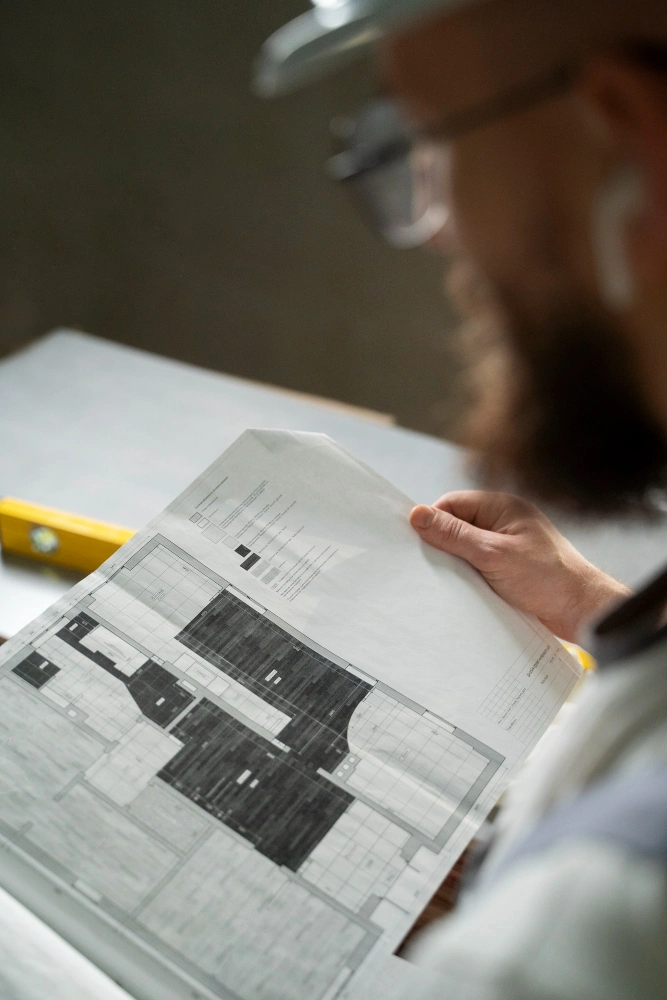
When AI becomes part of estimation workflows, the most important work is often the least visible. Solid backend development, APIs that connect platforms cleanly, well structured data flows, and systems that can scale without performance degradation. Square Codex contributes in that layer, making sure the technology does not stay as a promise and instead becomes an operational tool.
This kind of collaboration also helps companies move faster without having to build everything from scratch. Rather than going through long hiring cycles or internal reorganization, they can bring in specialized talent that plugs into existing processes and accelerates implementation. That matters in industries that are evolving quickly, where falling behind can mean losing real opportunities.
AI in construction is not a short lived trend. It is part of a broader move toward operations that are more efficient, more connected, and more data driven. Estimation is only the beginning. As these technologies reach more parts of the workflow, the impact will grow. In the end, the advantage will not go to the company that adopts a tool first, but to the one that integrates it best. Technology can create the opportunity, but execution determines the outcome