

Musk’s next orbit could pull AI into a new gravity well
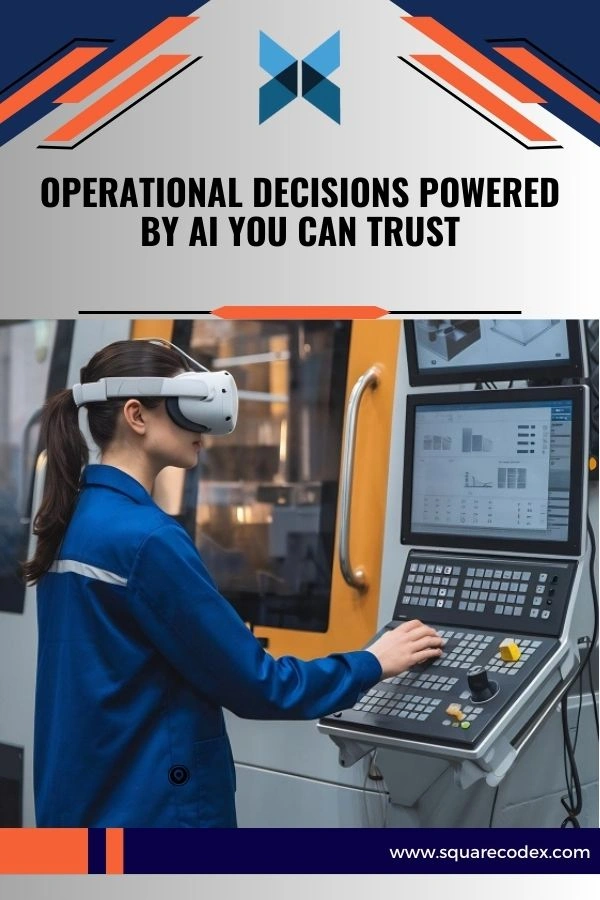
The example of PepsiCo and its use of artificial intelligence with digital twins captures a growing shift in industry. Decision making is moving away from intuition and historical experience toward systems that can anticipate outcomes, compare alternatives, and optimize scenarios before anyone touches the physical plant. In environments where an unplanned stop carries real losses and any structural change demands complex coordination, AI is no longer experimental. It becomes an essential component of operations. The goal is not to dazzle with technology. It is to minimize risk, cut waste, and enable continuous adjustments without compromising process stability.
In large scale industrial sites, changes rarely affect a single point. A variation in packaging can disrupt internal logistics, inventory levels, and thermal capacity. That is where the digital twin acts as a dynamic replica of the facility, continuously fed by data to observe system behavior and test alternatives with precision. AI expands that capability by systematically evaluating multiple possible combinations. It can simulate shift reorganizations, machinery configurations, cleaning sequences, or speed adjustments. What matters is that this learning happens in a simulated environment, so the physical floor is only altered when results support the change.
Are you looking for developers?
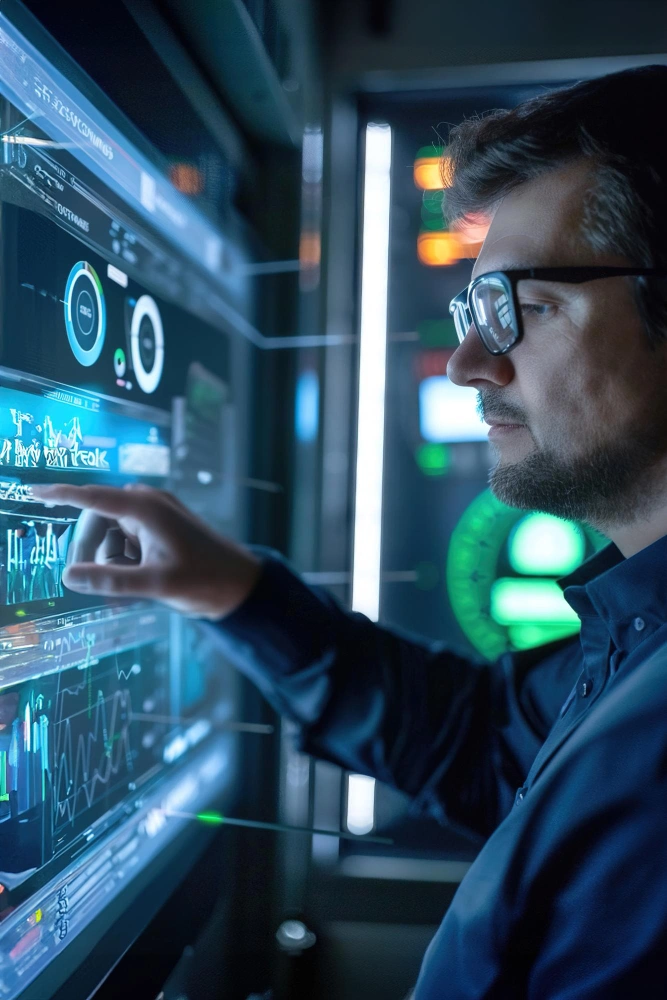
The most immediate impact shows up in decision times. Planning no longer relies on long meetings and static models that lose relevance quickly. With a working digital twin, validation accelerates because the system anticipates side effects, spots potential bottlenecks, and proposes compensations. Decisions become more agile and less disruptive. Instead of one off large transformations, the plant adopts a logic of gradual improvements that build up productivity and strengthen process consistency.
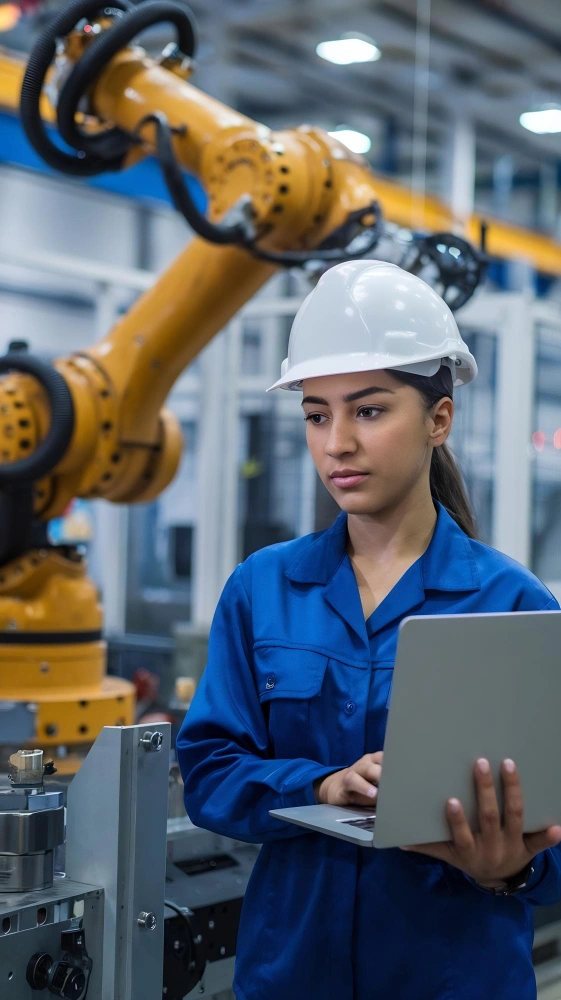
This approach also brings a significant cultural change. Using AI as an administrative helper is useful for generating documents or enabling descriptive analysis. Integrating it as an operational backbone is a different step. It means connecting models to industrial control systems, maintenance histories, and production management platforms. It requires defined permissions, security rules, clear metrics, and containment mechanisms when anomalies appear. The value does not lie in an occasional correct prediction. It lies in a system that works reliably day after day under changing conditions with full traceability.
Adoption is more effective when AI slots into existing processes. Abruptly replacing workflows tends to create friction and errors. By contrast, integrating the digital twin into dashboards teams already use, automating validations that were previously manual, and keeping area leaders as decision makers speeds up trust. People see concrete benefits in their daily work and get involved. That blend of operational continuity and progressive innovation is what turns technology into common practice.
Are you looking for developers?
Square Codex operates at the point where strategy must turn into concrete results on the plant floor. The company supports organizations that apply artificial intelligence to industrial and operational processes with teams that embed in day to day operations. The work begins with data architecture that connects sensors, execution systems, maintenance, and quality. It continues with building pipelines that feed models and digital twins with clean, versioned information. It then materializes in automations aligned with controls, audits, and metrics defined by the operation. In this way, simulations become real backing for decision making and changes are implemented with less friction.
This support is delivered through nearshore development and staff augmentation from Costa Rica for North American companies. Square Codex brings in software engineers, data specialists, and AI talent who join client teams to speed pilots and take them to production. The company applies MLOps, observability, and incident management suited to the industrial context, with automated model quality checks, latency controls, and safe degradation plans. The purpose is for digital twins and AI capabilities to run steadily and deliver measurable improvements in availability, scrap reduction, and line throughput.
Returning to lessons from cases like PepsiCo, the digital twin works like a control room where interventions carry no immediate risk. It allows teams to simulate maintenance schedules, estimate the impact of supplier changes, evaluate tolerance adjustments, and project energy consumption tied to each decision. AI does not replace production leads or quality teams, but it gives them a solid quantitative base to prioritize actions and respond faster. When scaled across multiple plants and regions, the approach supports collective learning and standardization, making regulatory compliance easier in different markets.
Are you looking for developers?
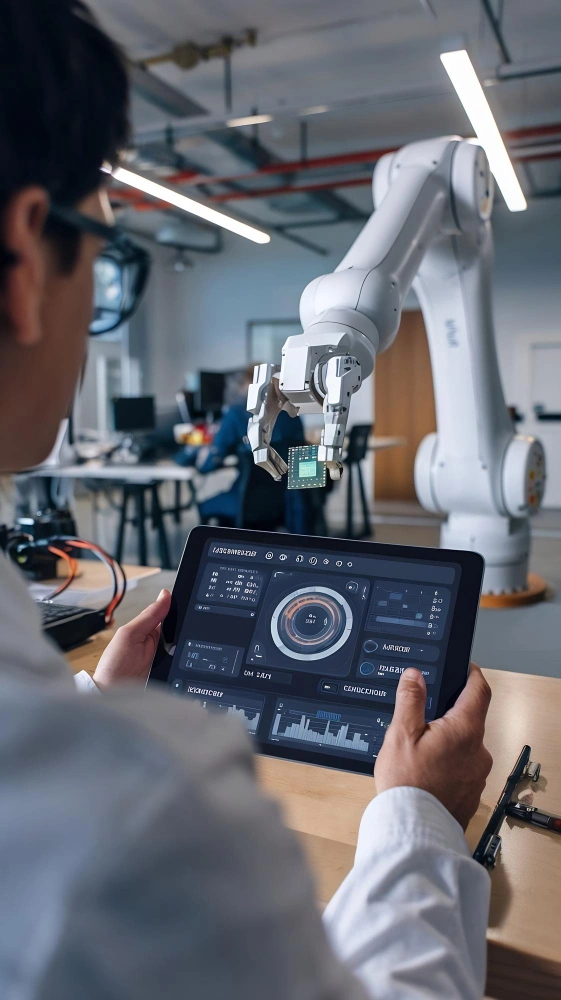
Technical discipline is decisive. Digital twins only deliver when data is consistent, integrations are stable, and decisions are recorded. Shortcuts tend to become later problems. Industry needs auditable models, robust interfaces, and systems that allow scenarios to be compared under equivalent conditions. Far from slowing operations, this discipline is what enables sustainable speed.
For business leaders, the message is clear. Artificial intelligence applied to industrial operations does not only reduce time and errors. It creates a new way to manage complexity. By turning the plant into an observable and simulatable system, each improvement leaves evidence and can be replicated. Competitive advantage does not come from a single algorithm, but from the consistency to decide with data, execute incremental changes, and sustain them with shared metrics. Those who adopt this approach with rigor will build more resilient and efficient operations. Those who postpone it will continue to depend on slower cycles and decisions with weaker quantitative backing.