


The 2026 World Cup’s Hidden Engine Data AI and Operational Control
Artificial intelligence is quietly becoming one of the most important operational tools in modern football. From tactical analysis and advanced refereeing systems to large-scale tournament logistics, AI is helping teams, officials, and organizers transform massive data streams into faster and clearer decisions. As the 2026 World Cup approaches, technology will play a crucial role not only on the pitch but also in the infrastructure that keeps the tournament running.

Media’s AI Moment What It Takes to Deliver Personalization at Scale
Artificial intelligence is reshaping the media industry, enabling streaming platforms to deliver personalized recommendations, automate production workflows, and manage content at scale.
How Banks Are Organizing AI for Security Compliance and Measurable Results
Financial institutions are establishing AI Centers of Excellence to move beyond experimentation and deploy secure, compliant AI systems for fraud detection, risk analysis, and operational efficiency.

Why Teams Are Testing Claude Instead of ChatGPT
Over the past few weeks, the same line has started popping up in product teams, developer communities, and everyday office chats: “I’m trying Claude.” It is not that ChatGPT suddenly vanished, and it is definitely not that there is a single permanent winner in AI assistants. What is interesting is something else. For the first time, there is a noticeable user migration between major AI platforms, and that tells you a lot about where the market is headed.
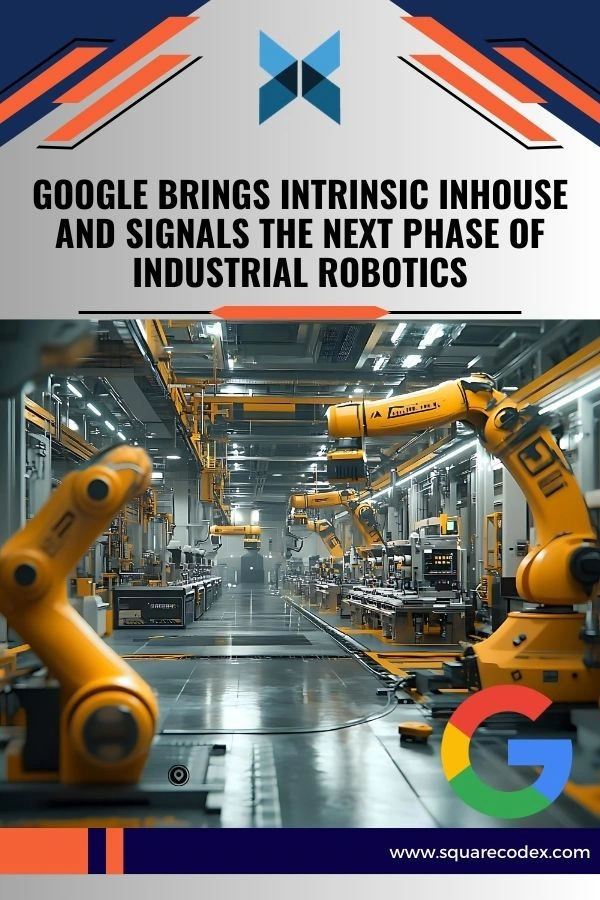
Google Brings Intrinsic Inhouse and Signals the Next Phase of Industrial Robotics
Google’s move to bring Intrinsic inhouse marks a turning point for industrial robotics AI. The shift highlights how platform-based ecosystems, governance, integration, and scalable infrastructure will define the next phase of enterprise automation.
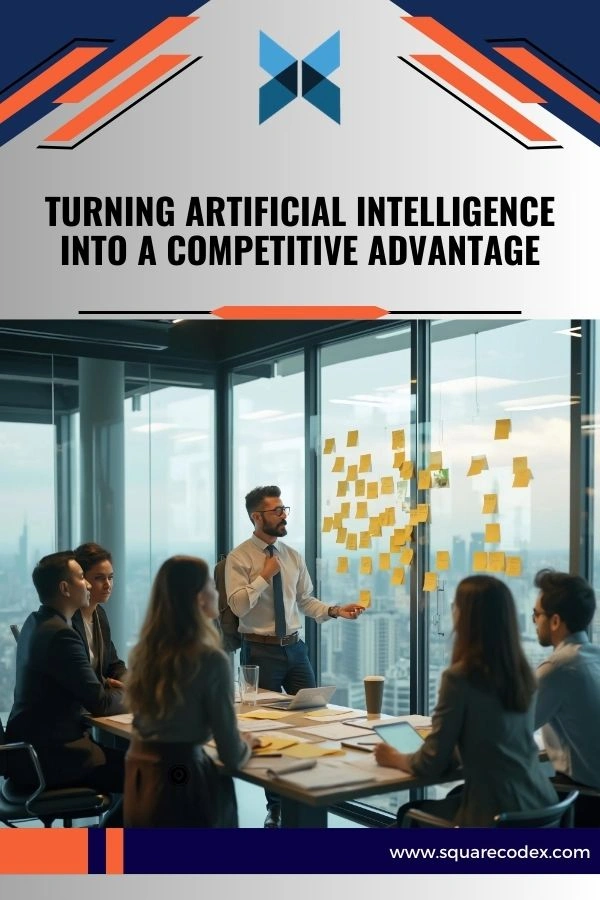
Turning Artificial Intelligence Into a Competitive Advantage
Artificial intelligence becomes a competitive advantage when supported by strong governance, modern architecture, and balanced human-AI collaboration.